
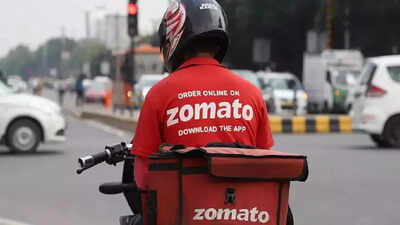
Food delivery giant Zomato has once again found itself at the centre of a heated public debate—this time for its decision to start sharing customer data with restaurants. While the company argues that this step will improve restaurant operations and customer experience, the move has sparked intense backlash from privacy experts, politicians, and consumers. Many believe this could fundamentally alter how personal data is handled in India’s booming food delivery ecosystem.
As digital interactions become the backbone of modern commerce, the question arises: Where should companies draw the line when using customer data to drive efficiency and revenue? Zomato’s decision forces India to confront that question urgently.
thebraindepot.com | crossfitcr.com | fastnewshub.net
zhaochulu.com | hellocarbondale.com
What Zomato Plans to Share—and Why
According to the company, restaurants will gain access to basic customer information, such as:
-
Customer names
-
Contact numbers
-
Order history
-
Dining preferences
-
Location-related data (from orders)
Zomato claims this information will help restaurants:
-
Identify frequent customers
-
Offer better loyalty rewards
-
Analyze sales patterns
-
Personalize menus or discounts
-
Improve complaint resolution
From the restaurant perspective, this data could be valuable. Restaurants often complain that food delivery platforms control all customer communication, making it hard to build loyalty. By having direct access to customer information, restaurants believe they can offer superior service and targeted promotions—potentially increasing sales.
However, the question critics are asking is: At what cost?
The Root of the Backlash: Data Privacy Fears
Consumer organisations and digital rights advocates argue that sharing customer data with hundreds of restaurants is a massive security and privacy risk.
The concern is not just theoretical. India already suffers from frequent data leaks across industries—including telecom, banking, education and government portals. Critics warn that distributing Zomato user data at an even wider scale increases the risk dramatically.
Key privacy concerns include:
1. Increased Chances of Misuse
Restaurants, especially smaller establishments, might not have the infrastructure to safely store personal user data. This makes them particularly vulnerable to:
-
Data theft
-
Hacking
-
Selling data to third-party advertisers
-
Unsolicited marketing calls
2. No Explicit Customer Consent
Many are questioning whether customers clearly agreed to have their personal data shared with third parties. If not, the move may fall into a legal grey area, even under India’s emerging digital privacy framework.
3. Unclear Data Retention Policies
Will restaurants store this data? For how long? In what format? And what happens if a customer deletes their Zomato account?
These unanswered questions amplify public distrust.
Politicians and Experts Sound the Alarm
Several public figures and tech policy analysts have condemned the move, calling it “a recipe for disaster”.
Common concerns raised include:
-
Customer consent practices may be inadequate.
-
Restaurants may misuse data for aggressive marketing.
-
There is no guarantee the data won’t reach data brokers or scammers.
-
The move prioritises profits over user privacy.
Marketing professionals also weighed in, saying the decision could lead to overwhelming spam and targeted advertisements. A consumer ordering occasionally from a nearby restaurant may soon receive persistent calls or promotional messages—something many people find intrusive.
The Business Angle: Why Zomato Is Doing This
Zomato is under constant pressure to maintain profitability and strengthen its relationship with restaurants—its primary supply partners.
1. Restaurant pressure has been building
Many restaurants have complained for years that food delivery platforms hold too much control. They argue:
-
Platforms charge high commissions
-
Customer relationships are mediated through apps
-
Feedback loops are one-sided
-
Restaurants cannot build their own direct channels
By sharing customer data, Zomato hopes to ease this tension and bring restaurants onto its side.
2. Competition in the delivery space is rising
With rivals expanding and logistics costs increasing, giving restaurants more data may help Zomato remain the preferred marketplace partner.
3. Long-term monetization strategy
Customer data is one of the most valuable assets for any tech company. Sharing select insights with restaurants opens the door to future:
-
Paid analytics services
-
Premium partnerships
-
Loyalty programmes
But these business incentives clash with public expectations of privacy.
How Will It Affect Consumers?
For everyday users, the decision has both potential benefits and drawbacks.
Potential Benefits
-
More personalised discounts
-
Better customer service
-
Faster complaint resolutions
-
Improved restaurant offerings
Potential Harms
-
Unsolicited calls and messages
-
Data exposure to unknown third parties
-
Targeted advertising without consent
-
Increased risk of scams
-
Loss of anonymity in food ordering
Many consumers choose delivery apps for the convenience and privacy they offer. Sharing identifiable information reduces that privacy significantly.
The Regulatory Question: Will the Government Step In?
India is currently transitioning into a new era of digital regulation, with the Digital Personal Data Protection Act (DPDPA) expected to shape future data practices.
Under emerging norms:
-
Customer consent must be explicit
-
Data collection must be necessary and proportionate
-
Companies must disclose how data is shared
-
Third parties must follow the same privacy standards
If Zomato is found to be violating any of these principles, the government may intervene. Several political leaders have already suggested reviewing the matter at the policy level.
Restaurants Are Divided Too
While many restaurants welcome the move, others are uneasy. Smaller outlets worry they may not have:
-
The digital infrastructure to manage sensitive data
-
The cyber security measures required to protect it
-
The manpower to handle data responsibly
Some restaurant associations have urged caution, fearing that the responsibility of handling customer data may expose them to legal risks if a leak occurs.
A Changing Landscape: What This Means for India’s Digital Future
Zomato’s decision reflects a broader trend: data is now the currency of modern business. As companies seek to personalise services, the conflict between convenience and privacy will only grow.
This controversy may become a defining case in India’s digital economy—forcing both regulators and businesses to rethink:
-
What data should companies collect?
-
Who controls customer information?
-
How much transparency is required?
-
What protections do consumers deserve?
The answers to these questions will shape the future of digital commerce in India.
Conclusion: A Necessary Reform or a Mistake in the Making?
Zomato argues that sharing customer data will help restaurants strengthen their business and customer relationships. But critics warn that this opens the door to privacy risks, unethical marketing, and potential data misuse.
The truth likely lies somewhere in between.
If implemented with clear consent, strong security protocols, and strict oversight, the move could benefit both restaurants and consumers. But without safeguards, it risks becoming a serious privacy breach waiting to happen.
For now, the controversy continues—and India watches closely, aware that this debate may set the precedent for how consumer data is treated across the digital economy.