
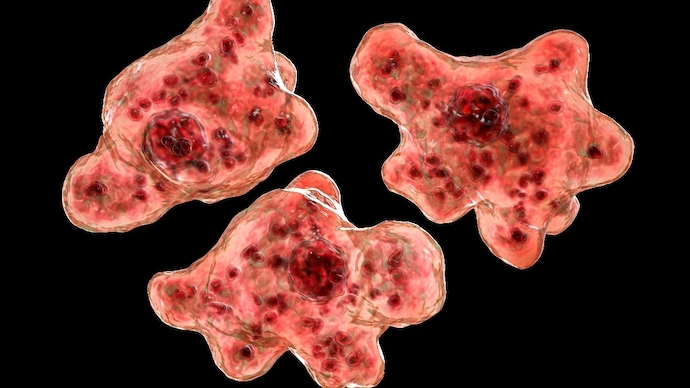
Kerala is currently facing a rare but alarming public health challenge—an outbreak of primary amoebic meningoencephalitis (PAM), caused by the microscopic organism Naegleria fowleri, also known as the brain-eating amoeba. This year alone, the state has reported 42 confirmed cases, with five deaths occurring in just one month. The situation has created widespread concern among citizens and health authorities alike, as the infection is notorious for being extremely difficult to treat and almost always fatal worldwide.
A Deadly Spike in Cases
The most recent victim was a 56-year-old woman from Malappuram, who passed away while undergoing treatment in Kozhikode. Her death marks the fifth in a short span of weeks, underlining the seriousness of the outbreak.
Other tragic cases include a 45-year-old man from Wayanad, a 52-year-old woman, a three-month-old infant, and a nine-year-old girl. These incidents highlight that the infection does not discriminate by age, affecting both children and adults.
In total, Kerala has documented 42 cases of amoebic meningoencephalitis this year, a number that is unusually high compared to previous years. While the global fatality rate of this infection is more than 97%, Kerala’s reported rate is somewhat lower, around 35%, thanks to early detection and the use of advanced treatments such as the drug Miltefosine.
thenumberinfo.com | FizzBoaz.com | Athingstodo.com
blooket-jointoday.com | inirtp.org
What is Naegleria fowleri and How Does it Spread?
Naegleria fowleri is a free-living amoeba that thrives in warm freshwater environments such as ponds, lakes, rivers, poorly maintained swimming pools, and even untreated wells.
The amoeba infects people when contaminated water enters the nasal cavity, usually while swimming, bathing, or diving. From there, it travels through the olfactory nerve into the brain, causing severe inflammation and tissue destruction.
Symptoms of PAM
The disease progresses extremely quickly, often within days. Early signs include:
-
Severe headache
-
Fever and nausea
-
Vomiting
-
Stiff neck
-
Confusion and loss of balance
-
Seizures and hallucinations
In most cases, death occurs within a week to 10 days of infection.
Why Kerala?
Kerala’s unique climate and geography may play a role in the rise of cases. The state’s warm, humid environment and abundance of freshwater bodies provide ideal conditions for the amoeba to multiply.
Additionally, cultural and traditional practices, such as using untreated well or pond water for bathing and nasal cleansing, increase the risk of exposure. Urbanization and environmental changes may also be factors, as natural water systems are being altered by construction and population pressure.
Climate change is another likely contributor. Rising water temperatures across the globe are creating more favorable conditions for Naegleria fowleri, raising concerns that such infections could become more frequent in the future.
Government Response
Recognizing the gravity of the situation, the Kerala government has launched a multi-pronged response:
-
Water Safety Campaign
A state-wide initiative called “Water is Life” has been rolled out to disinfect wells, tanks, and other water sources with chlorine. -
Public Health Act Enforcement
Authorities have banned swimming and bathing in untreated or stagnant water bodies in high-risk areas. -
Enhanced Medical Preparedness
Hospitals have been instructed to watch for symptoms of PAM and follow standard treatment protocols, including the use of drugs like Miltefosine. -
Diagnostic Expansion
Laboratories in the state are now equipped to perform advanced tests such as PCR to detect the amoeba more quickly and accurately. -
Research Collaboration
State health authorities are working with national research institutions to study the causes, spread, and treatment outcomes of the disease.
Protecting Yourself: What the Public Must Know
Health experts have emphasized that while Naegleria fowleri is extremely dangerous, it can be avoided with proper precautions.
Do’s and Don’ts
-
Avoid swimming or bathing in warm, stagnant freshwater.
-
Use only chlorinated or boiled water for nasal cleansing, bathing, and household purposes.
-
Wear nose clips or keep the nose tightly shut when entering water bodies.
-
Stay alert to symptoms such as headache, fever, or nausea after water exposure and seek immediate medical attention.
-
Keep water storage tanks clean and ensure they are regularly disinfected.
Simple preventive steps can significantly reduce the risk of infection.
The Bigger Picture
The outbreak in Kerala raises important questions about public health, climate change, and water safety management in India. Experts warn that if environmental changes continue and water management remains lax, such infections could spread to other states as well.
It also highlights the need for better public awareness. Many people are unaware that a harmless-looking pond or well could harbor a deadly organism. Education campaigns, especially in rural areas, are vital to reducing risk.
Another critical aspect is healthcare preparedness. Kerala’s relatively lower fatality rate compared to the global average is due to its advanced healthcare system and quick medical interventions. Strengthening this model and replicating it in other states could save more lives in the future.
Conclusion
Kerala’s fight against the brain-eating amoeba is a stark reminder of the hidden dangers in our environment. With 42 cases and five confirmed deaths in 2025, the infection has become one of the state’s most urgent health crises.
While the disease remains rare, its near-certain fatality makes it a major concern. The good news is that awareness, prevention, and early medical care can save lives. By avoiding unsafe water practices, ensuring proper chlorination, and recognizing symptoms early, the public can help reduce the risk.
The Kerala government’s proactive steps, combined with strong community participation, can help control this outbreak and prevent future tragedies. At the same time, it serves as a wake-up call for the rest of India and the world: as climate and environmental conditions change, new health threats may emerge, and preparedness is our best defense.