
The legal challenges confronting Anil Ambani’s Reliance Power have deepened significantly with the Enforcement Directorate (ED) filing a detailed chargesheet in a high-profile money-laundering case. The chargesheet marks a major step in a long-running inquiry into allegations of financial fraud, in which a fake bank guarantee allegedly worth ₹68 crore was used to secure a renewable-energy project bid from the Solar Energy Corporation of India (SECI).
This development not only places Reliance Power under greater scrutiny but also raises broader questions about corporate governance, tendering processes, and regulatory oversight in India’s burgeoning energy sector.
The Heart of the Case: A Fake Bank Guarantee
At the core of the ED’s chargesheet is the allegation that Reliance NU BESS Limited, a subsidiary of Reliance Power, submitted a forged bank guarantee worth ₹68 crore to participate in a SECI tender for battery energy storage systems. The bank guarantee was purportedly presented as being issued by a foreign bank. However, upon investigation, the ED found that the branch listed on the documents did not exist.
The guarantee was allegedly facilitated through a shell company operating out of Odisha. According to the ED, forged documentation, including fake endorsements, manipulated email IDs, and fabricated domain names, were used to create the illusion of authenticity. Investigators have accused the involved parties of using spoofed email domains closely resembling those of legitimate financial institutions to mislead authorities.
To mask the fraud, an array of fake invoices, fabricated work orders, and artificially structured financial movements were used to create the impression of genuine commercial activity. Funds were reportedly circulated between associated group companies to legitimize the transaction trail.
digitalphotoes.com | educationcenterhub.com | thetripsadvisors.com
toursideas.com | MusicFocus.net
Key Accused and Arrests
The ED’s investigation led to the arrest of several individuals allegedly linked to the fraudulent scheme. Among them are senior executives, consultants, and directors of shell companies implicated in the creation and submission of the fake guarantee.
A former Chief Financial Officer (CFO) of Reliance Power is among those named in the chargesheet, indicating that the alleged misconduct may have involved higher levels of the company’s corporate structure. Investigators believe the creation of forged documents required coordination across multiple parties, pointing to a conspiracy rather than an isolated act of negligence.
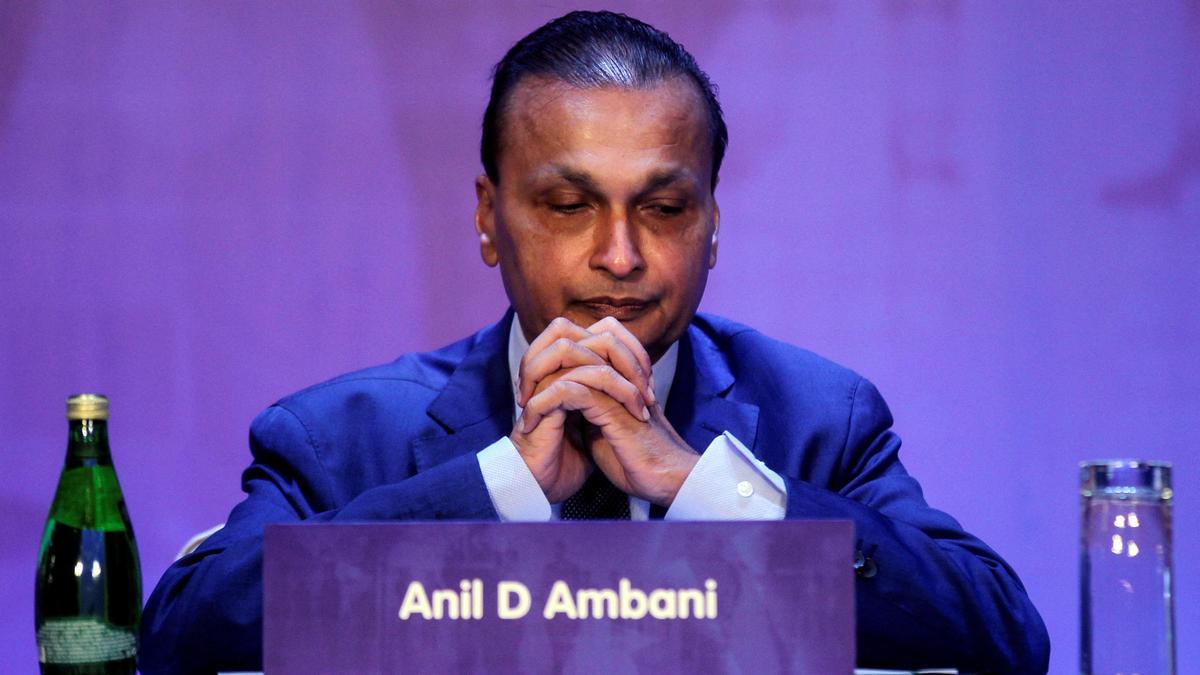
While Reliance Power has issued statements distancing itself from some accused individuals, the ED maintains that the extent of involvement of internal and external actors will continue to be examined as the case proceeds to court.
A Pattern of Increased Scrutiny on the Group
The chargesheet against Reliance Power is part of a much larger legal and regulatory dragnet surrounding various companies under the Anil Ambani-led Reliance Group. Over recent years, the group has come under the scanner for alleged loan defaults, financial irregularities, and potential fund diversion across multiple subsidiaries.
Several banks have reportedly flagged loan accounts associated with the group as irregular or fraudulent. This has resulted in parallel investigations by the Central Bureau of Investigation (CBI), the Serious Fraud Investigation Office (SFIO), and other financial-regulatory authorities.
Assets worth thousands of crores have also been attached under money-laundering legislation, adding further complexity to the group’s financial and operational landscape.
Industry Implications: A Wake-Up Call for Governance
The allegations and subsequent legal actions against Reliance Power have implications far beyond the company itself.
1. Impact on Clean-Energy Projects
India’s clean-energy sector has been expanding rapidly. The SECI tender involved in this controversy was part of the country’s transition toward large-scale energy storage solutions—a crucial component of future renewable-energy infrastructure.
If fraudulent guarantees can be used to secure such tenders, it raises concerns about the integrity of the bidding and evaluation process. This case may push authorities to enforce stricter screening, verification procedures, and compliance requirements in future tenders.
2. Corporate Governance Challenges
The case highlights the need for stronger internal controls and transparent financial practices within large corporations. It underscores how gaps in governance can be exploited through shell firms, forged documents, and financial manipulation.
Companies participating in public-sector tenders or receiving government incentives will likely face increased scrutiny. This could be positive for the long-term health of the sector, leading to more reliable, ethical competition.
3. Regulatory Strengthening
The complexity of the alleged scheme—spanning shell firms, forged emails, fake bank endorsements, and sophisticated fund flows—signals the need for enhanced coordination among enforcement agencies, banks, and regulatory bodies.
Greater digital verification tools, cross-border financial cooperation, and stricter licensing norms for companies and consultants may help prevent similar cases in the future.
Reliance Power’s Position and Future Road Ahead
Reliance Power has attempted to distance itself from the scandal, asserting that certain arrested individuals or consultants had no operational control or formal ties with the firm. However, the presence of senior executives in the list of accused undermines these statements and raises questions about accountability at the leadership level.
The next steps for Reliance Power will depend heavily on judicial processes. Court proceedings may involve forensic audits, examination of financial trails, and cross-agency investigation. The outcome will determine whether the company faces fines, blacklisting from future tenders, or further criminal liability for individuals involved.
For shareholders and stakeholders, this uncertainty brings significant risk. Market perception, investor confidence, and the company’s reputation could suffer as long as the case remains unresolved.
Wider Lessons for Corporate India
The Reliance Power case serves as a cautionary tale. It reveals how vulnerabilities in financial systems, documentation procedures, and tender evaluation frameworks can be exploited.
For corporations, it stresses the importance of strict internal auditing, compliance frameworks, and third-party verification. For the government and regulators, it highlights the need for centralized digital verification tools, stricter penalties for shell-company misuse, and improved tender-vetting mechanisms.
Conclusion
The ED’s chargesheet against Reliance Power marks a significant escalation in a major money-laundering case tied to an alleged fake bank guarantee worth ₹68 crore. The charges point to a web of forged documents, shell companies, and high-level complicity, placing the company under intense scrutiny.
This case not only impacts the future of Reliance Power but also underscores broader concerns about financial transparency, corporate governance, and regulatory oversight in India’s fast-growing energy sector.
As the legal proceedings unfold, the outcome will serve as an important benchmark for accountability and compliance in India’s corporate ecosystem.