
In a rare moment of compromise amid the usual bustle of parliamentary proceedings, the Indian government and opposition parties have reached a preliminary truce regarding discussions on the Special Intensive Revision (SIR) of electoral rolls. After several rounds of negotiations, both sides agreed on a schedule that will see the discussion on electoral reforms take place next week, following a priority debate on the 150th anniversary of Vande Mataram, a topic proposed by the government.
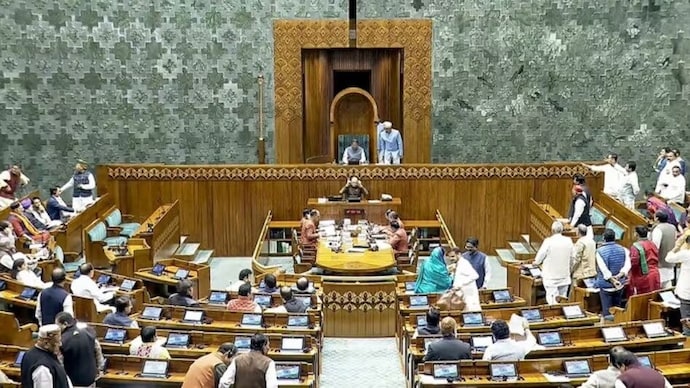
This development comes at a critical time when Parliament is navigating multiple high-profile debates, with issues ranging from historical commemorations to pressing electoral reforms. The compromise reflects both the urgency of legislative matters and the need to maintain decorum in a politically charged environment.
Background: The SIR and Electoral Reforms Debate
The Special Intensive Revision (SIR) of electoral rolls is a crucial process aimed at updating and verifying voter lists across India. Conducted periodically, SIR ensures that the electoral rolls are accurate, removing duplicate entries and including eligible voters. The process is especially relevant ahead of general or state elections, as it directly impacts the credibility of the electoral system.
Opposition parties have been pressing for electoral reforms to address systemic issues, including voter list discrepancies, election transparency, and the use of technology in polling. These discussions are critical to strengthening India’s democratic framework and ensuring fair elections.
On the other hand, the government proposed that the immediate priority should be the discussion on the 150th anniversary of Vande Mataram, a significant cultural and historical milestone. The government emphasized the symbolic importance of the song, which holds a special place in India’s freedom struggle and national identity.
houseinteriorz.com | hyperlaxmedia.com | doctorisout.com
casinotgame.com | wincasinogame.com
Negotiations Between Centre and Opposition
The lead-up to the truce involved intense discussions between government leaders and opposition representatives. According to sources, the government insisted that the debate on Vande Mataram’s 150th anniversary take precedence because of the November 7 milestone. They argued that it was essential to honour the historical significance of the song while maintaining parliamentary tradition.
The opposition, however, was adamant that discussions on electoral reforms could not be postponed indefinitely. Their stance was that with elections approaching in several states, the Parliament needed to address urgent reforms in voter registration, polling processes, and electoral transparency.
After several hours of deliberations, a compromise was reached: the government’s proposed discussion on Vande Mataram would be held first, followed by a comprehensive discussion on electoral reforms next week. This arrangement allows both sides to prioritize their key concerns without leading to a deadlock in parliamentary business.
Significance of the 150th Anniversary of Vande Mataram
Vande Mataram, composed by Bankim Chandra Chatterjee, holds a revered place in India’s cultural and political history. The song was an inspiration for freedom fighters during India’s struggle for independence and has since become a symbol of national pride.
The government’s insistence on giving the discussion priority is not merely ceremonial. It highlights the importance of cultural commemoration in the legislative process. By scheduling the debate around the anniversary, lawmakers can reflect on the historical, patriotic, and educational aspects of Vande Mataram. This debate is expected to cover topics such as:
-
The historical significance of Vande Mataram in India’s freedom movement.
-
The song’s role in instilling national pride among citizens.
-
Ways to integrate cultural education into modern curricula.
-
The importance of preserving India’s linguistic and literary heritage.
By holding this discussion first, the Parliament acknowledges both historical importance and contemporary relevance, setting a harmonious tone for subsequent legislative debates.
Importance of Electoral Reforms Discussion
Following the Vande Mataram debate, the focus will shift to electoral reforms, a subject that impacts the core of Indian democracy. The opposition’s emphasis on holding this discussion reflects widespread concerns about the electoral system. Key points likely to be debated include:
-
Accuracy of Electoral Rolls
Discrepancies in voter lists, including duplicate entries or missing eligible voters, have been a recurring issue. The SIR aims to correct these errors, but discussions in Parliament will explore ways to further improve accuracy and transparency. -
Use of Technology in Elections
Electronic Voting Machines (EVMs) and other technologies have modernized the voting process. Lawmakers will debate the pros and cons of technology, including measures to prevent tampering and ensure voter confidence. -
Inclusivity and Accessibility
Electoral reforms will also address how to make the process more inclusive for marginalized groups, including persons with disabilities, remote-area residents, and migrant workers. Ensuring that all eligible citizens can vote is a fundamental democratic goal. -
Strengthening Legal Frameworks
Parliament may discuss amendments or new legislation to tighten election laws, including rules on campaign finance, candidate disclosures, and media coverage during elections. -
Voter Education and Awareness
Another focus area is increasing public awareness about voting rights and responsibilities, ensuring that citizens understand how to participate effectively in elections.
The discussion on electoral reforms is expected to be detailed and substantive, reflecting the importance of improving election integrity and strengthening democratic institutions.
Implications of the Truce
The compromise between the government and opposition demonstrates that collaboration is possible even in a politically polarized environment. By agreeing to a schedule that respects both parties’ priorities, Parliament can ensure that important discussions are not delayed. The truce also sends a message to the public that lawmakers are capable of working together for national interests, balancing cultural celebrations with critical policy debates.
For the opposition, the agreement to allow the Vande Mataram discussion first shows willingness to respect national milestones, while securing the electoral reforms debate next week ensures that pressing democratic concerns are addressed without compromise.
For the government, the agreement enables control over the parliamentary agenda, allowing it to set the tone for cultural and legislative priorities while ensuring that electoral reforms are not indefinitely postponed.
Public and Political Reactions
Initial reactions from both parties suggest cautious optimism. Political analysts believe that the truce may serve as a template for future negotiations, where both sides balance ceremonial discussions with urgent legislative matters.
Civil society groups and election watchdogs have welcomed the confirmation of the electoral reforms debate, noting that it will allow Parliament to address systemic issues before upcoming elections. Experts highlight that reforms in the electoral process can significantly improve voter confidence, reduce fraud, and enhance transparency.
Meanwhile, discussions around Vande Mataram have sparked interest among historians, educators, and cultural organizations, who see the anniversary as an opportunity to educate citizens about India’s rich heritage.
Looking Ahead: Next Week’s Parliamentary Agenda
With the truce in place, Parliament is expected to follow a structured schedule:
-
Discussion on the 150th Anniversary of Vande Mataram: Focus on historical significance, cultural impact, and national pride.
-
Electoral Reforms Debate: Covering accuracy of voter rolls, technology in elections, inclusivity, legal frameworks, and voter awareness.
This sequence allows Parliament to address both symbolic and practical issues, maintaining legislative efficiency while respecting the political sensitivities of different parties. Observers expect robust debates with contributions from both sides, as well as potential policy recommendations emerging from the discussions.
Conclusion
The preliminary truce between the Centre and opposition marks a positive step in parliamentary collaboration. By agreeing to prioritize the Vande Mataram anniversary debate and scheduling electoral reforms discussion next week, both sides have shown that compromise is possible even amid political differences.
The upcoming discussions are critical for India. The Vande Mataram debate will highlight historical and cultural values, fostering national pride, while the electoral reforms discussion will focus on strengthening democratic processes, ensuring fair and transparent elections.
As Parliament navigates these discussions, citizens and stakeholders alike can expect substantive outcomes that honor India’s heritage while reinforcing the foundations of its democracy. With cooperation between government and opposition, these debates have the potential to set a constructive tone for future legislative sessions, combining respect for tradition with a commitment to progress.