
Introduction
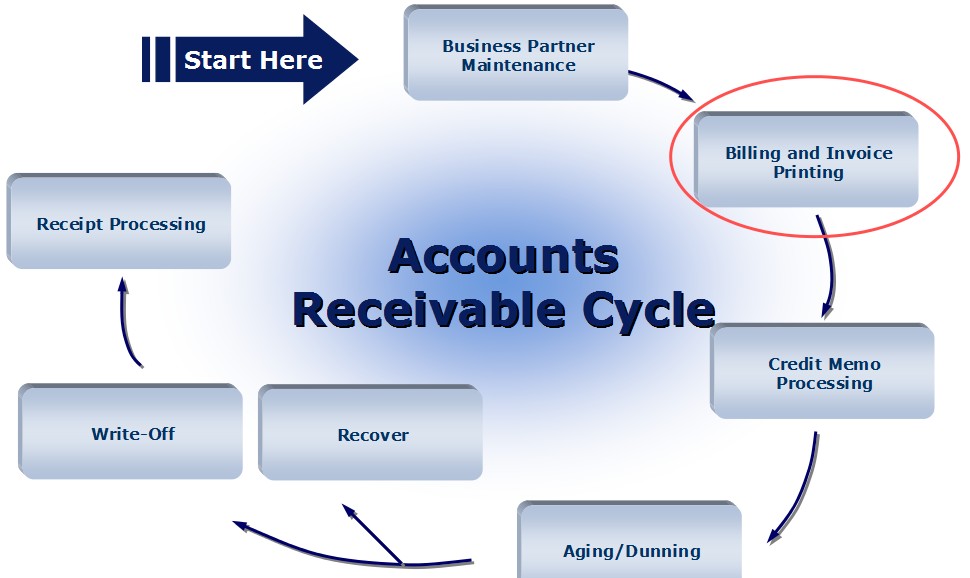
The accounts receivable cycle is an essential financial process that helps businesses manage incoming payments from customers. It represents the series of steps a company follows providing goods or services until the payment is successfully collected. A well-managed accounts receivable cycle ensures that businesses receive payments on time, maintain steady cash flow, and reduce the risk of unpaid invoices.
For many organizations, especially those that offer credit terms to customers, managing this cycle effectively is critical for financial stability. By understanding the different stages of the accounts receivable cycle, businesses can improve efficiency, strengthen customer relationships, and minimize delays in payments.
What Are the Accounts Receivable Cycle?
The accounts receivable cycle refers to the complete process involved in managing credit sales and collecting payments from customers. It begins when a company provides goods or services on credit and ends when the payment is received and recorded.
This cycle ensures that businesses track outstanding invoices, monitor customer payments, and maintain accurate financial records.
A strong accounts receivable process helps businesses:
-
Maintain consistent cash flow
-
Reduce the number of overdue invoices
-
Improve financial planning and budgeting
-
Strengthen relationships with customers
Key Stages of the Accounts Receivable Cycle
Understanding each stage of the accounts receivable cycle helps businesses manage payments more effectively. The cycle typically includes several important steps.
1. Credit Approval
The process begins with evaluating whether a customer should be allowed to purchase goods or services on credit. Businesses may review the customer’s financial history and payment behavior before granting credit.
Important considerations include:
-
Reviewing customer credit reports
-
Evaluating financial stability
-
Setting appropriate credit limits
Careful credit approval helps reduce the risk of non-payment.
2. Invoicing
Once goods or services are delivered, the business sends an invoice to the customer. The invoice includes details such as the amount due, payment terms, and due date.
A clear and accurate invoice helps ensure that customers understand their payment obligations.
Effective invoicing practices include:
-
Providing detailed descriptions of goods or services
-
Clearly stating payment terms and deadlines
-
Sending invoices promptly after delivery
Timely invoicing increases the likelihood of faster payments.
3. Payment Tracking
After sending the invoice, the business must track outstanding payments. Monitoring accounts receivable ensures that businesses know which invoices have been paid and which are still pending.
Key tracking activities include:
-
Reviewing payment due dates regularly
-
Monitoring overdue invoices
-
Maintaining accurate payment records
Regular monitoring allows businesses to identify potential payment issues early.
4. Payment Collection
If customers fail to pay on time, businesses may need to follow up with reminders or collection efforts. Professional communication can help resolve payment delays while maintaining positive customer relationships.
Common collection methods include:
-
Sending payment reminders before the due date
-
Contacting customers regarding overdue invoices
-
Offering flexible payment options if necessary
Effective communication can significantly improve payment recovery.
Conclusion
By maintaining organized processes, monitoring accounts regularly, and communicating clearly with customers, businesses can create an efficient accounts receivable system. This not only improves cash flow but also strengthens financial stability and long-term business success.